
The Toby and Herbert Stolzer Annual Lecture
In the West, World War II is commonly understood as the Allies’ struggle against Nazism, while the Soviet Union’s crucial role in that fight is often elided, or simply forgotten. In his latest research, renowned Rutgers historian Jochen Hellbeck relocates the ideological core of the conflict; Nazi Germany viewed Communist Russia, not Western forces, as the greatest existential threat, believing that Jewish revolutionaries seized power in 1917 and were preparing the Soviet state to destroy Germany and the world. The German army’s 1941 attack on the Soviet Union was intended to eliminate Hitler’s cardinal obsession: “Judeo-Bolshevism.” While Europe’s Jews were initially expelled, exiled, and persecuted by the Nazis, Soviet Jews were immediately slated for elimination. Soviet lands thus became ground zero for systematic extermination, only later extended to all Jews, igniting the Holocaust.
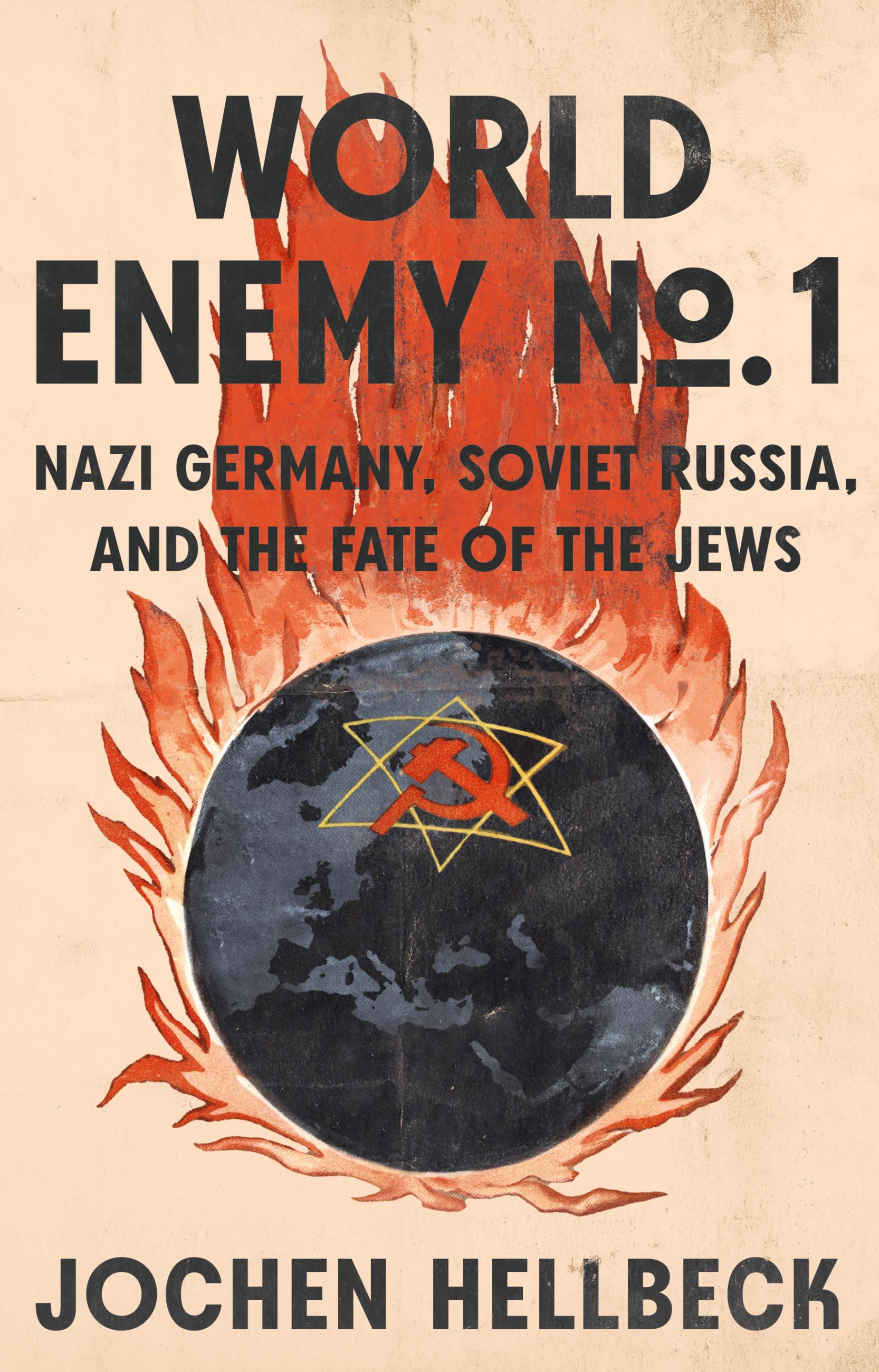
Professor Hellbeck will discuss his forthcoming book, World Enemy No. 1: Nazi Germany, Soviet Russia, and the Fate of the Jews (Penguin Press, October 2026), the first major work of history to examine World War II from the perspectives and interactions of both Germany and the Soviet Union. Hellbeck's important historical claim is based on newly declassified Soviet wartime archives and previously undiscovered sources—a trove of testimonies, diaries, dispatches, and photographs from soldiers and civilians, both Soviet and German.

Jochen Hellbeck, Distinguished Professor of History at Rutgers University, specializes in modern Russia, the Soviet Union, and the history of World War II. He is the author of Revolution on My Mind: Writing a Diary under Stalin (Harvard University Press, 2009); Stalingrad: The City That Defeated the Third Reich (PublicAffairs, 2016); and an online project, Facing Stalingrad (2015 to 2020), which explores and preserves the memories of both German and Russian veterans from the battle of Stalingrad in 1942 to 1943.